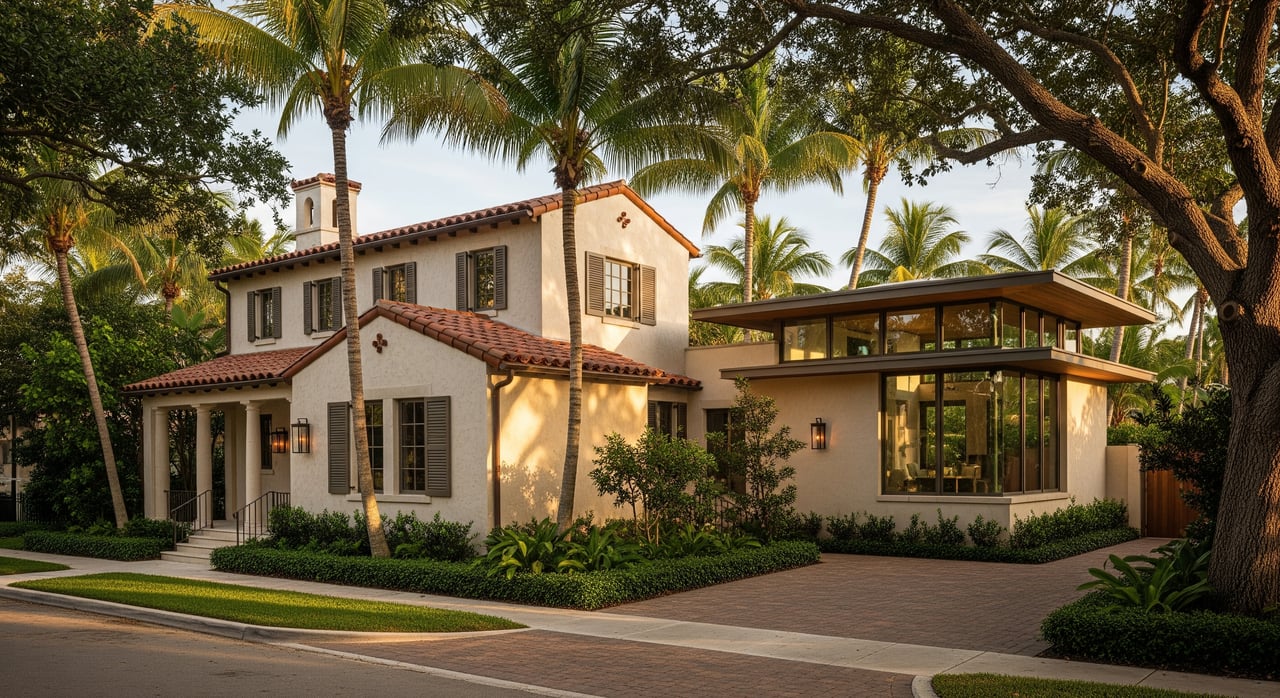
Tear-Down Or Remodel In Olde Naples?
Should you preserve Olde Naples charm or start fresh with a new coastal build? It is a big call, and the right answer depends on your lot, the current home, and what the City of Naples will allow. You want a clear path that balances value, design, and timing without surprises. In this guide, you will learn how to separate lot value from structure value, what permits could shape your plan, what design fits the neighborhood, how costs and timelines stack up, and a simple checklist to make a confident decision. Let’s dive in.
In beach-adjacent Olde Naples, a large share of value often sits in the land. The market views a property as the sum of lot plus improvements. Your first task is to understand that split for your address and comparable lots nearby.
Start by reviewing assessed land and building values with the Collier County Property Appraiser. These assessments are not market values, but they show a land-versus-structure split. Then compare recent sales of vacant lots, remodeled homes, and new builds on similar streets to see what buyers pay for each category.
Look at recent sales of new construction on similar lots to estimate a realistic post-build price. Also review high-quality remodels on similar footprints. Your goal is to set a credible range for “what the market will pay” after your project.
Run a basic equation before you fall in love with a plan:
Olde Naples is within the City of Naples, so city zoning and building rules apply. Plan for a two-step review that often includes planning or design review followed by full building permit review. For current checklists and timelines, consult the City of Naples Building Division and Planning Department.
Confirm lot coverage, setbacks, height limits, parking, and any floor-area standards. If your desired program exceeds what is allowed, you may need a variance, which adds time and uncertainty. Early zoning checks help you right-size your plan.
Determine your flood zone and Base Flood Elevation using the FEMA Flood Map Service Center. Flood zones and elevation requirements affect foundation systems, mechanical placements, and finished-floor elevations. Your build must meet the Florida Building Code and local amendments. You can review state code resources via the Florida Building Code.
If a home has historic significance or sits in a locally regulated area, exterior changes and demolition can require review or documentation. For context and guidance, consult the Naples Historical Society and the City of Naples preservation resources.
Tree removal and mitigation may require permits and replacement plantings. Utility capacity or upgrades can affect timing. Demolition generally moves faster than a full building permit, but environmental checks for asbestos or lead and any historic review must be resolved first. For coastal or shoreline work, you may need permits from the Florida Department of Environmental Protection and possibly the U.S. Army Corps of Engineers. Some projects also require stormwater review through the South Florida Water Management District.
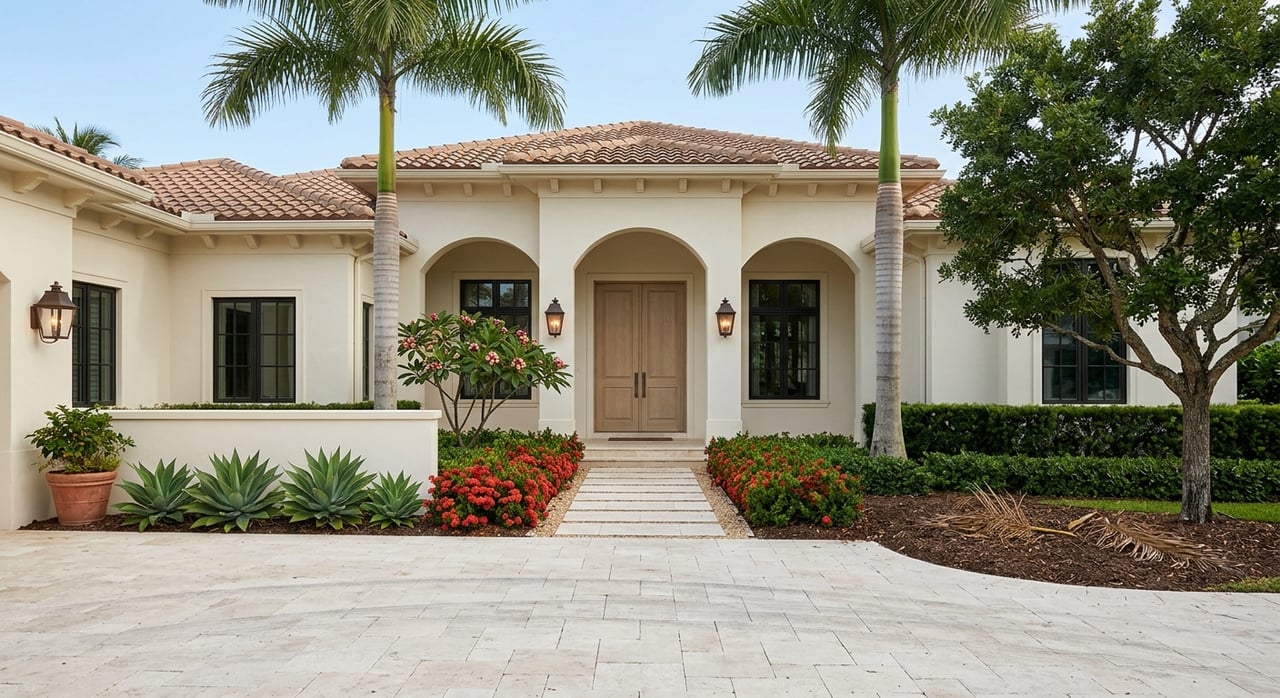
Olde Naples blends historic cottages, bungalow-scale homes, and Mediterranean influences under a mature tree canopy. New builds that feel right here tend to respect scale and rhythm while delivering modern comfort.
Lot sizes and setbacks are tight, so massing has outsized impact. If your target square footage cannot fit zoning and setback rules, a teardown with a purpose-built plan may be the only way to achieve it. Thoughtful step-backs, porch elements, and window placement help balance light, privacy, and street appeal.
Coastal-appropriate materials, salt-tolerant finishes, and hurricane-rated windows and doors are common in high-quality builds. Elevation strategies, protected mechanical systems, and improved insulation are often easier to integrate in a full rebuild than a partial remodel.
Front porches, clear pedestrian entries, and careful driveway placement keep the streetscape inviting. Where a garage goes and how it presents can make or break the design.
Every project differs, yet the cost categories are similar. Keep a contingency and expect market conditions to influence pricing and lead times.
Always confirm current fee schedules and review times with the City of Naples Building Division, since these can change.
Many owners use construction loans that convert to permanent financing at completion. Renovation loan products can help for substantial remodels. A rebuild can change your property’s assessed value, so consult a tax advisor about implications and any preservation-related exemptions that could apply.
Typical projects move through due diligence, design, permitting, and construction. Depending on scope, permitting can take weeks to several months, especially if variances, historic review, coastal permits, or complex floodplain issues are involved. Construction often ranges from several months to well over a year based on size and complexity. Check with the City of Naples for current plan review and permit timelines before you schedule.
Choose a remodel when:
Choose a teardown and rebuild when:
You deserve a clear, design-forward strategy anchored in local knowledge. White Horse Group brings decades of Naples experience, neighborhood-specific pricing insight, and market-smart presentation through our integrated interiors practice. We help you understand the land-versus-structure value, benchmark achievable outcomes with a precise CMA, and shape a plan that respects Olde Naples while meeting your goals.
If you are considering a sale, remodel, or a ground-up build on your lot, our curated approach helps you make a confident, well-sequenced decision. When you are ready to explore your options, start with a private conversation with White Horse Group.

White Horse Group is a boutique real estate and design collective delivering luxury service, local expertise, and elevated style to every home and client we serve.
WHITE HORSE GROUP
ADDRESS
1795 9TH ST N
NAPLES, FL 34102