Choosing the right gated equestrian community in Wellington can make or break your WEF season. You want smooth daily routines, reliable footing after rain, safe hacking, and barn operations that run on time. This guide helps you compare the amenities that matter most, from arenas and trails to barn infrastructure, governance, and resiliency, so you can shortlist with confidence before the season starts. Let’s dive in.
Arena access: what to compare
Finding consistent ring time during WEF is priceless. Start by documenting exactly what each community offers and how it runs during peak months.
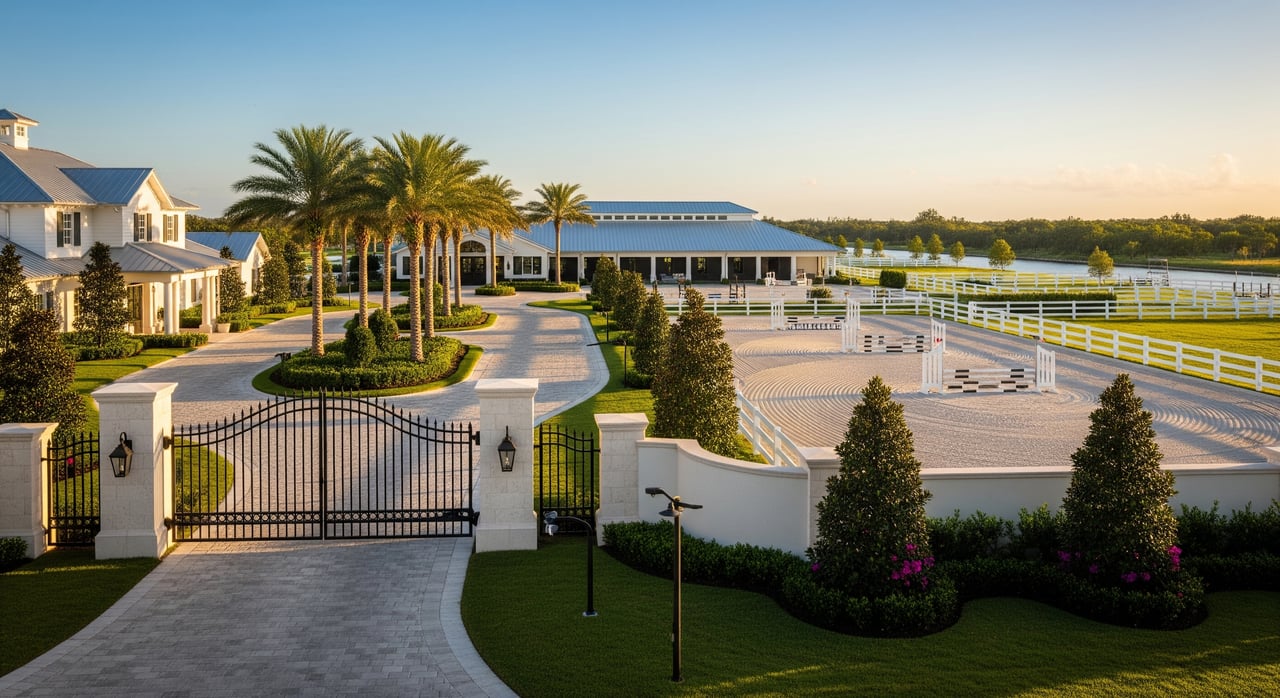
Ring types and layout
- Count the arenas: indoor, covered, and outdoor schooling rings.
- Note dimensions and whether there are warm-up or lunging areas.
- Record the walk or ride from stalls to rings so you know if a trailer is required.
Footing and drainage
- Identify surface type: sand, sand-fiber mix, rubber blend, or waxed sand.
- Ask how often footing is re-conditioned and who manages it.
- Confirm drainage quality and training viability after heavy rain.
Lighting and access hours
- Check night-lighting quality and any HOA or municipal curfews.
- Clarify quiet hours and whether early morning schooling is permitted.
Scheduling during peak season
- Ask if rings are first-come or reservation-based.
- Confirm how schooling windows shift during WEF and who controls the calendar.
- Note any use fees or trainer-only blocks.
Trail connectivity: where you can hack
Wellington’s canals and greenways offer valuable hacking, but access varies by neighborhood.
On-site trails
- Determine if the community maintains private bridle paths and the total mileage.
- Verify surface type, width, and whether trails connect internally.
- Ask about drainage or seasonal closures after heavy rain.
Connections beyond the gate
- Document legal access to public equestrian routes, canal rights-of-way, or greenways.
- Look for safe road crossings and designated equestrian crossings.
- Confirm any trailer parking at trailheads for guests or off-site rides.
Barn infrastructure: daily operations that matter
The right setup keeps horses comfortable and training on schedule. Capture details that affect care, efficiency, and safety.
Stalls and ventilation
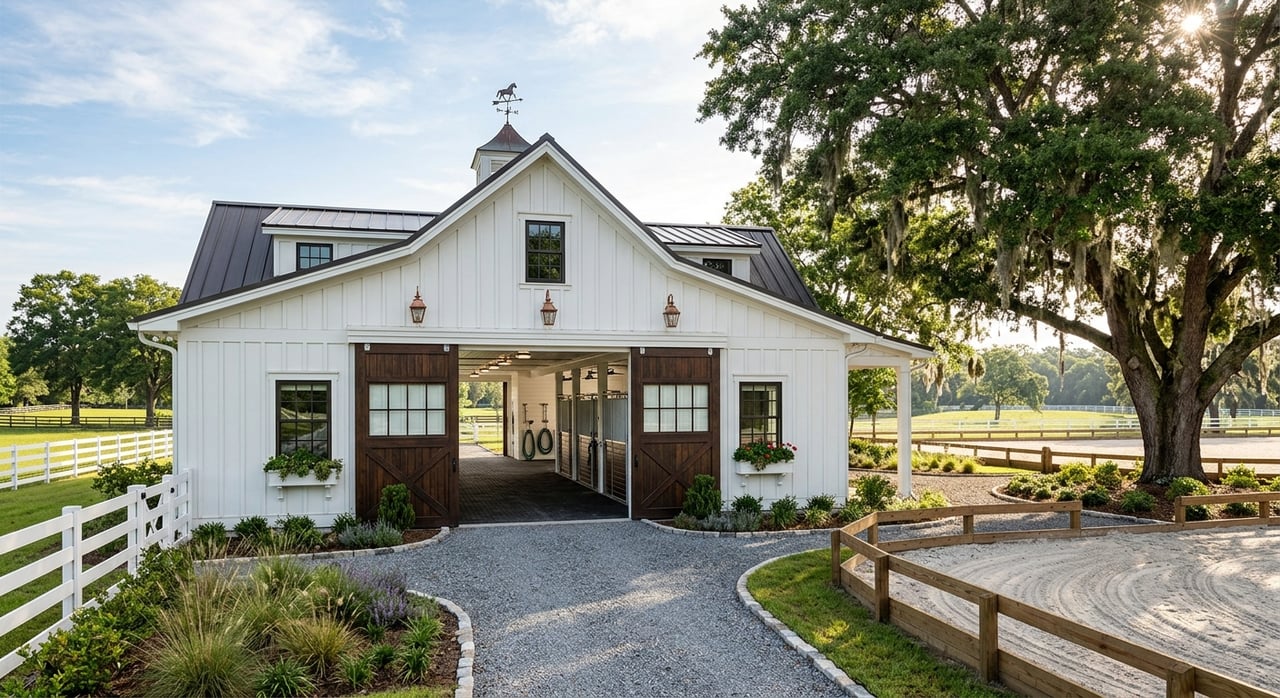
- Record stall count and typical dimensions in community barns or shared facilities.
- Note mats, fans, and cross-ventilation.
- Check lighting quality and aisle safety.
Turnout and fencing
- Count paddocks and estimate turnout acreage.
- Identify fencing type and presence of shade or shelter.
- Ask about pasture rotation and rest schedules.
Wash, tack, and storage
- Confirm the number of wash stalls, hot-cold water, and drainage management.
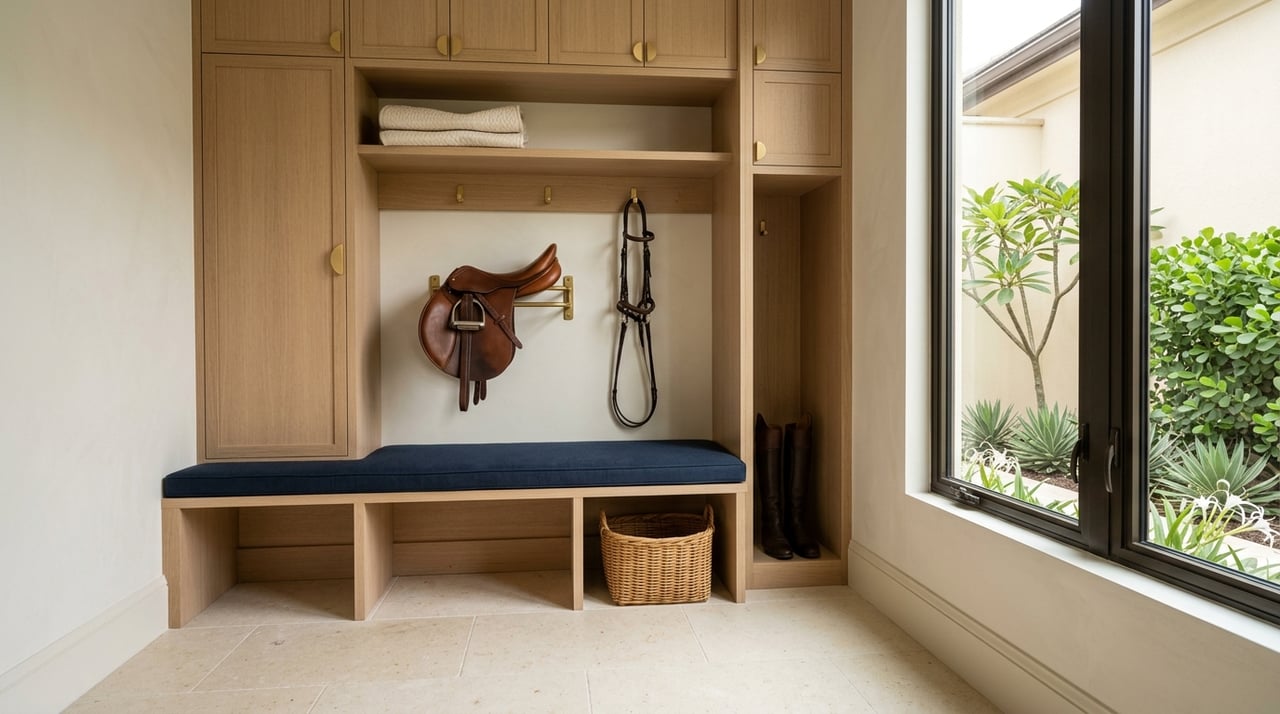
- Note tack rooms, feed rooms, and hay storage capacity with rodent control.
- Ask about manure removal schedules and composting or contracted services.
Staffing, trainers, and resiliency
- Determine if barns are professionally managed or DIY.
- Verify whether outside trainers are permitted and any commercial-use rules.
- Ask about backup power, hurricane tie-downs, and storm procedures.
Services and logistics during WEF
Seasonal demand changes everything from drive times to delivery windows. Plan for it now.
Access to equine providers
- Identify nearby equine hospitals and ambulatory vets, farriers, dentists, feed stores, and haulers.
- Confirm provider capacity during peak season and any preferred vendor relationships.
Deliveries and storage
- Ask about hay and grain delivery schedules and where deliveries are staged.
- Check HOA rules for large vehicle access and delivery hours.
- Confirm long-term trailer parking and overnight policies for trucks and rigs.
Show-day flow
- Map haul-in routes to the show grounds and staging areas.
- Record typical drive times to PBIEC in normal traffic and during peak WEF hours.
- Note where early morning grooming happens and any neighborhood restrictions.
Governance, rules, and permits
Rules can affect ring time, trainers, and the total number of horses you can keep. Review them closely.
HOA policies and operations
- Limitations on horse counts per lot and any noise or lighting rules.
- Policies on lessons, clinics, and outside trainers.
- Requirements for renter or boarder waivers and insurance minimums.
Zoning and environmental compliance
- Confirm equestrian uses allowed by the Village of Wellington and Palm Beach County.
- Review manure disposal requirements and wash-water containment.
- Determine septic or sewer connections and any special permits needed.
Safety and resiliency in South Florida
Storms and flooding are part of life in Palm Beach County. Factor resiliency into your shortlist.
Flood risk and insurance
- Check FEMA flood zone designations and elevation relative to base flood elevation.
- Consider how flood status may affect insurance decisions.
Hurricane planning and biosecurity
- Look for hurricane shutters or barn securing systems and backup power.
- Ask about evacuation routes and shelter options for horses.
- Confirm access to emergency vet services and any isolation protocols.
Shortlisting checklist for buyers and riders
Use this checklist to compare gated equestrian neighborhoods side by side.
- Distance to PBIEC: typical drive time in normal traffic and during peak WEF hours.
- Arena inventory: number and type of rings, dimensions, footing, maintenance frequency.
- Lighting and scheduling: night-lighting quality, curfews, reservation rules, any use fees.
- Trails: total miles of maintained trails, connectivity to public routes, trailer parking.
- Barn details: stall count and sizes, turnout acreage, fencing, wash stalls, tack and hay storage, drainage.
- Management and services: on-site manager, trainer policies, boarding model, vet and farrier access.
- Logistics: delivery policies, long-term trailer parking availability and fees, haul-in routes.
- Governance and costs: HOA fees, trainer and commercial-use rules, stall rental policies if applicable.
- Resiliency: flood zone status, hurricane mitigation features, nearest equine emergency hospital.
- Quality of life: noise-light curfews, proximity to shops, security and gating specifics.
- Seasonal constraints: known congestion, road closures, or special protocols during WEF.
On-site observations that reveal a lot
- Walk the route from stalls to arenas and from barns to trailer parking. Note footing transitions and low spots.
- Inspect tack rooms and hay storage for ventilation and rodent control.
- Observe turnout for shade, shelter, and manure management.
- Ask to review the arena maintenance log and request recent post-rain photos.
Quick comparison matrix template
| Field |
What to record |
| Drive to PBIEC |
Minutes in normal vs WEF peak hours |
| Arenas |
Count, types, sizes, footing, lighting |
| Scheduling |
Reservation rules, peak-season access |
| Trails |
Miles on site, external connections, trailer parking |
| Barns |
Stall count and size, wash stalls, storage |
| Turnout |
Paddock count, acreage, fencing |
| Services |
On-site manager, trainers allowed, local vets-farriers |
| Logistics |
Deliveries, trailer parking, haul-in route |
| HOA and costs |
Fees, trainer rules, stall rental policies |
| Resiliency |
Flood zone, hurricane features, nearest equine ER |
WEF planning timeline essentials
- Secure PBIEC stall reservations, parking passes, and haul-in permissions well in advance.
- Confirm barn occupancy and trainer availability early, then lock in feed and hay delivery schedules.
- Map show-week schooling windows and hauling schedules to avoid traffic bottlenecks.
- Identify emergency providers and backup options if peak-season capacity tightens.
How we can help
If you need a curated shortlist and a clear plan before the season, we can help you compare neighborhoods, evaluate barn operations, and coordinate the details that keep your program running. With dedicated equine expertise in Wellington and a concierge approach for high-net-worth clients, we streamline decisions so you can focus on your ride. When you are ready, connect with the White Horse Group to tailor your search.
FAQs
How close are Wellington’s gated communities to PBIEC during WEF?
- Drive times vary by neighborhood and traffic patterns, so measure both normal and peak WEF hours and note preferred haul-in routes.
What arena features matter most for consistent schooling?
- Prioritize ring count, footing type and maintenance, lighting and curfew rules, and whether there is a reservation system during peak season.
Can I keep my trailer parked inside the community long term?
- Policies differ by HOA, so confirm long-term parking availability, security, overnight allowances, and any associated fees.
Are outside trainers and lessons typically allowed in gated communities?
- Some HOAs allow trainers and limited commercial activity, while others restrict it, so review community rules and zoning before committing.
What should I verify about barn infrastructure before buying?
- Stall count and size, ventilation, wash stall drainage, hay and feed storage, turnout acreage, fencing type, and manure removal protocols are key.
How do I assess flood and hurricane readiness for a barn in Palm Beach County?
- Check FEMA flood zone status, elevation, hurricane tie-downs or shutters, backup power, and documented storm procedures and evacuation plans.