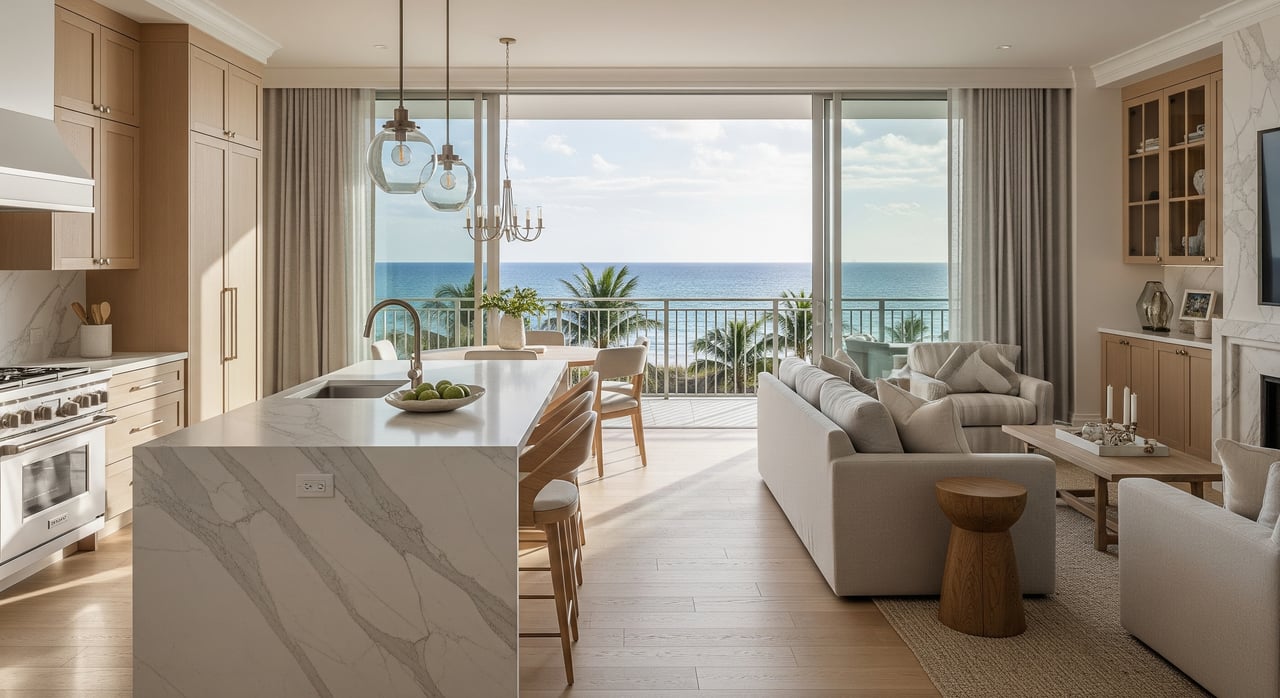
Vanderbilt Beach Condo Rental Policies: Buyer’s Guide
Planning to buy a condo near Vanderbilt Beach and rent it when you are not in town? You are not alone. Many buyers want to enjoy the Gulf during peak season while offsetting carrying costs with rental income. In this guide, you will learn how seasonality shapes demand, how condo association rules work, what taxes and insurance to expect, and how to run smart due diligence before you buy. Let’s dive in.
Vanderbilt Beach sits in a resort and residential pocket of Collier County. The area draws a strong winter crowd. Peak rental demand runs from late December through April, often topping out January to March. Off-season stretches from late spring through summer and can be slower due to rain and hurricane season.
This seasonality means your revenue is concentrated in a few months. You should build projections around conservative occupancy in shoulder and summer months. If you plan to use your condo during peak season, confirm how that choice affects your income and booking calendar.
Condo associations control most rental basics through their recorded governing documents. The Declaration, bylaws, and current Rules and Regulations set what is allowed, not the MLS listing or a casual comment. Always read the recorded docs and confirm details in writing.
Many buildings set minimum lease lengths to limit turnover and preserve a residential feel. Common minimums include 30 days, 90 days, 6 months, or 12 months. Some buildings separate short-term or vacation rentals from monthly or seasonal leases. Verify the exact minimum and whether nightly or weekly bookings are allowed.
Some associations require a waiting period after purchase before you can lease the unit. Others cap the share of units that can be rented at one time. If a cap exists, ask if there is a waitlist and how long it typically takes to obtain rental approval.
Expect an application process for each lease. This often includes a written application, background or credit checks, a copy of the signed lease and any required addenda, proof of renter liability insurance, and emergency contacts. Processing can take a few days to several weeks. Plan your marketing timeline around board approval requirements.
Associations may charge application fees, move fees, security or key deposits, and amenity fees. Tenant access to pools, fitness centers, and parking is often controlled and must be registered. Confirm rules for guest parking, elevator scheduling, and any limits on the number of occupants.
Some buildings prohibit short-term rentals entirely and allow only longer seasonal or annual leases. Others allow monthly rentals but forbid nightly or weekly stays. Understand the exact definitions used in the governing documents so your lease terms match building rules.
Florida law, including the Florida Condominium Act, outlines how associations can adopt and enforce leasing rules. Your building’s recorded documents will carry those rules forward. Know both layers.
Short-term or transient rentals are typically subject to state and local taxes. These may include Florida sales tax, state transient rental taxes, and county tourism development taxes. The party who rents the unit collects and remits these taxes to state and local authorities. Registration steps and rates can change, so confirm current requirements before you list.
Local ordinances may also set rules on occupancy, noise, trash, and signage. Check Collier County and any city-level requirements that could apply to your building’s location.
Insurance is another key layer. The association’s master policy covers common elements, but you will need an HO-6 or similar policy for your unit, contents, and personal liability. Short-term rentals often require a landlord or business endorsement. Ask your insurer whether rental activity changes coverage or premiums.
Vanderbilt Beach area properties can sit in FEMA flood zones. If your unit is in a special flood hazard area, lenders usually require flood insurance. Flood zone designation and wind or hurricane deductibles can affect total operating costs, so review early in your underwriting.
Because Florida rules can change over time, confirm the current landscape with the county and your professional advisors.
Your revenue will depend on unit size, building policies, and proximity to the Gulf. Peak months can deliver strong rates, but real success comes from planning for slower off-season demand.
Short-term rentals can produce higher gross income in peak months, but they carry higher management and turnover costs. Many investors prefer monthly seasonal leases when buildings limit short stays. For a realistic view, calculate net income after HOA dues, management fees, taxes, and insurance, not just gross rent.
Request documents and answers early. Put everything in writing and read the recorded documents from start to finish.
Key verification questions:
Rental success near Vanderbilt Beach depends on matching your goals to the right building and set of rules. A careful read of the governing documents, a realistic income and expense model, and the right local team will save you time and protect your investment.
If you would like a tailored shortlist of buildings that meet your usage and rental goals, along with introductions to trusted managers and designers, connect with the White Horse Group. Our boutique, family-led team blends deep Naples expertise with concierge service to help you buy confidently and operate smoothly.

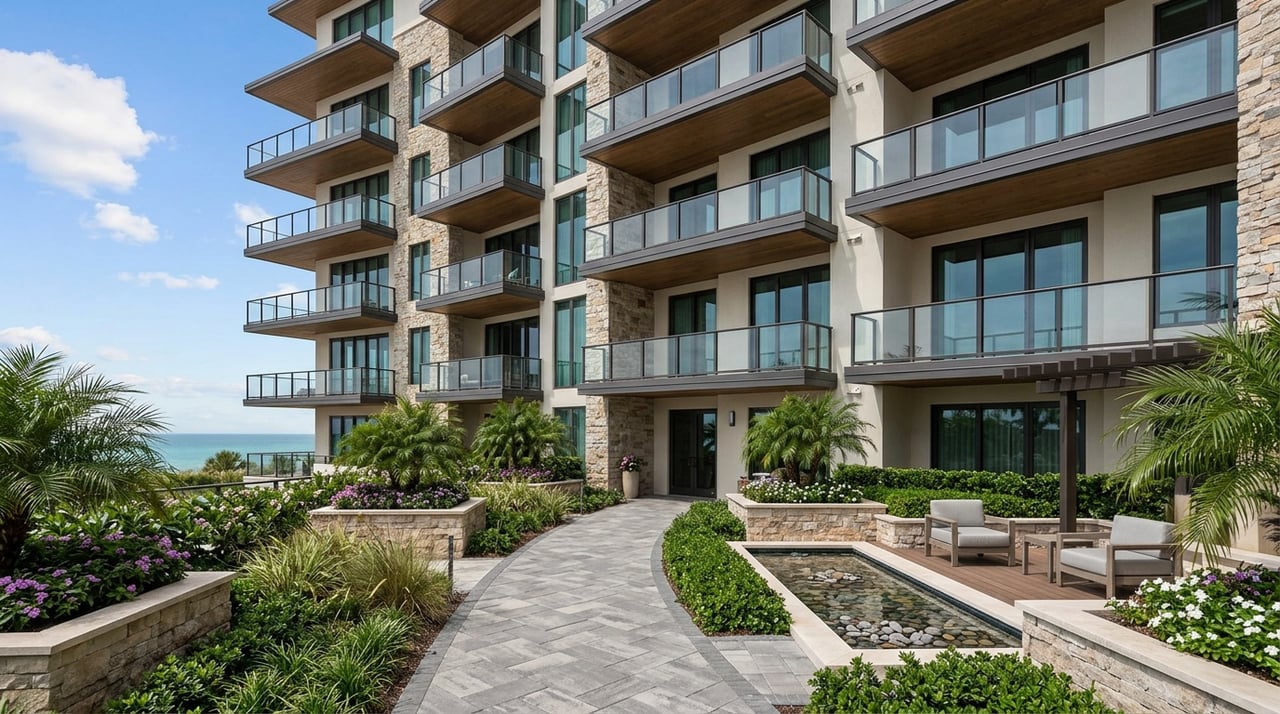



White Horse Group is a boutique real estate and design collective delivering luxury service, local expertise, and elevated style to every home and client we serve.

WHITE HORSE GROUP
ADDRESS
1795 9TH ST N
NAPLES, FL 34102